How to Prevent Electrical Fires at Home: Expert Tips
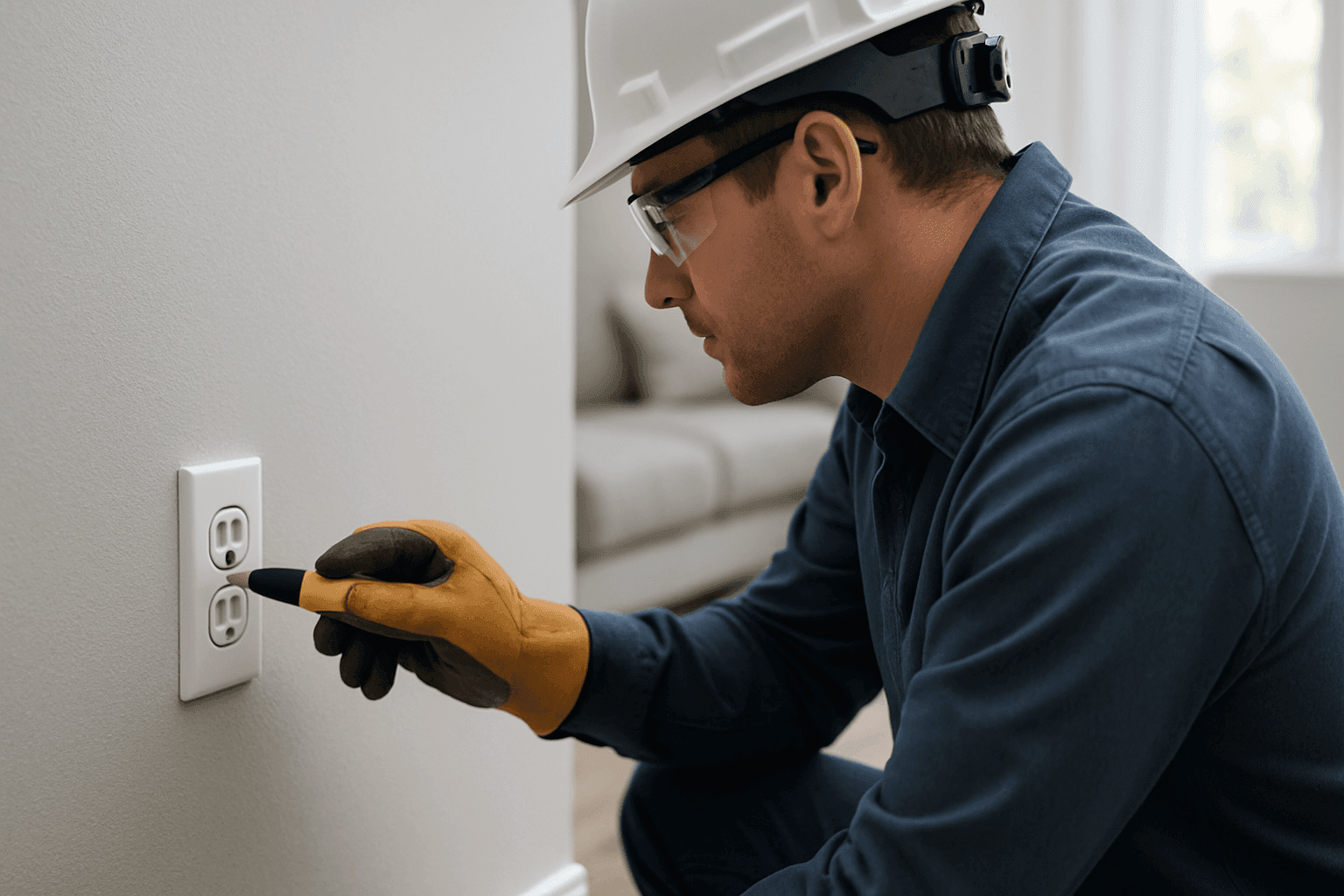
Electrical fires don’t wait for a convenient moment. They strike when you’re asleep, at dinner, or away on holiday. At Lew Sader Electric, we know how fast a small spark can turn into a homeowner’s worst nightmare. Your home should be a safe haven—not a ticking time bomb behind the walls.
If you feel uncertain about your wiring, you’re not alone. Many families trust their homes are safe, but hidden hazards can lurk for years. We’re here to help you spot trouble before it starts—and to show you what a certified emergency electrician can do to keep your household safe.
Top Causes of Electrical Fires
Think of your home’s wiring like the veins in your body. If something gets blocked, worn, or overloaded, the system fails. Fast.
Here are the most common culprits behind residential electrical fires:
- Overloaded Outlets or Extension Cords: Too many devices plugged in? That’s like a single lane trying to handle rush hour traffic.
- Aging or Damaged Wiring: Wires crack, insulation wears out, and older systems simply weren’t built for today’s loads.
- Faulty Appliances: Older refrigerators, microwaves, or space heaters can short-circuit and spark.
- Improper DIY Repairs: Well-meaning fixes can lead to dangerous mistakes—especially with high-voltage wiring.
- Neglected Breakers and Panels: Old or poorly maintained electrical panels may not trip when trouble starts.
According to the National Fire Protection Association (NFPA), electrical failures or malfunctions are a leading cause of home fires every year. Prevention always starts with awareness.
Warning Signs Your Wiring Needs Attention ⚡
Your home might be talking to you—if you know what to listen for. Don’t ignore these warnings:
- Frequent breaker trips or blown fuses
- Flickering or dimming lights (especially when appliances turn on)
- Warm or discolored outlets and switches
- Sparking or buzzing from outlets
- Acrid burning smell—even faintly
- Cracked, brittle, or frayed wires visible anywhere
If any of these sound familiar, it’s time to reach out for professional Fault Finding near you.
Safe Use of Outlets and Appliances
Think of outlets like a row of seats on a bus. Overcrowd them, and something will give.
Follow these easy rules:
- Never plug high-wattage appliances into power strips (space heaters, toasters, hairdryers).
- Don’t daisy-chain extension cords. One cord into another multiplies the risk.
- Unplug unused devices. Even idle appliances can draw power and overheat.
- Check cords regularly for signs of wear or damage.
- Keep outlets clear of clutter and never hide cords under rugs.
And remember: water and electricity never mix. Keep outlets and appliances dry, especially in kitchens, bathrooms, and laundry areas.
Quick Safety Checklist
- Test smoke and carbon monoxide detectors monthly
- Schedule a professional safety inspection every 1–3 years
- Replace damaged cords or outlets immediately
- Use surge protection for sensitive electronics
- Make sure all outlets near water have GFCI protection
- Never ignore circuit breaker trips—find out why it happened
When DIY Isn’t Enough: Call a Pro
Changing a lightbulb? Go for it. Rewiring a switch or fixing a sparking outlet? That’s a job for a certified electrician.
Here’s why:
- Safety codes matter. Licensed electricians follow the National Electrical Code (NEC) and local regulations.
- Specialized tools are needed to test circuits, measure loads, and spot hidden faults that the naked eye can miss.
- Insurance and home value. Improper DIY work can void insurance and reduce your home’s value.
If you’re ever in doubt, don’t risk it—call an emergency electrician.
What Happens When a Pro Arrives
A certified electrician brings more than a toolbox. Here’s what you can expect:
- Careful inspection of wiring, outlets, and the main electrical panel
- Use of diagnostic tools to identify hidden faults or overheating
- Testing of all accessible circuits, breakers, and safety devices
- Clear explanation of any issues found, with repair or upgrade recommendations
- Immediate action for urgent hazards—like disconnecting faulty outlets or panels
At Lew Sader Electric, we provide clear, upfront communication and focus on lasting solutions.
Prevention & Maintenance: Stay Ahead of the Sparks 🛡️
Think of electrical maintenance like changing the oil in your car. Regular attention keeps things running safely.
Our top recommendations:
- Schedule regular electrical safety inspections. Every 1–3 years is a good rule of thumb, or after any major renovation.
- Upgrade aging wiring. Homes over 30 years old often need new wiring to handle today’s devices.
- Install surge protection. Protect sensitive electronics from power surges—especially during storms.
- Test and replace smoke/carbon monoxide detectors as needed.
- Don’t ignore small problems. Address flickering lights or warm outlets before they become big hazards.
Refer to your local building codes and the NEC for detailed requirements. Certified inspections help ensure every box is checked.
Costs & Time Factors
Every home and electrical system is unique, but here’s what to expect:
- Safety inspections: Usually a few hours, depending on house size and age
- Minor repairs: Often completed same day, unless parts are needed
- Major upgrades or rewiring: May take several days, especially in older homes
Costs can range from quick fix service calls to larger investments for extensive rewiring or panel upgrades. Remember, shortcuts now can cost you more later—both in repairs and peace of mind.
When It’s an Emergency
Don’t wait if you notice:
- Burning, melting, or electrical smells
- Outlets or switches that are hot to the touch
- Sparking from any outlet or appliance
- Power outages in part of your home with no clear cause
In these cases, shut off your main breaker if it’s safe and call an emergency electrician immediately.
FAQ: Electrical Fire Prevention
How often should I have my home inspected?
Every 1–3 years, or after major work, is ideal for most homes.
Is it safe to use older appliances?
Only if cords and plugs are in perfect shape. If you notice any heat, smell, or unusual behavior, unplug and replace them.
Can I upgrade my own outlets?
Simple outlet covers are fine, but anything involving wiring should be left to a licensed electrician.
What’s the most common mistake homeowners make?
Overloading outlets and ignoring repeated breaker trips.
Seasonal Fire Risks
Every season brings its own challenges:
- Winter: Space heaters, holiday lights, and older wiring working overtime. Don’t use extension cords for heaters or overloaded light displays.
- Spring/Summer: Thunderstorms can cause surges. Pools, spas, and outdoor outlets need GFCI protection and regular checks.
- Autumn: Rodents nesting in attics or walls can chew on wires, creating hidden dangers.
Plan a quick safety check at every seasonal change to catch new risks early.
Your home’s safety is our #1 priority. If you’ve spotted warning signs or just want peace of mind, don’t wait for a small issue to become a big one.
Call Lew Sader Electric now — or reach us anytime at 888-851-5284 .