Emergency Electrician Guide: What to Do Before Help Arrives
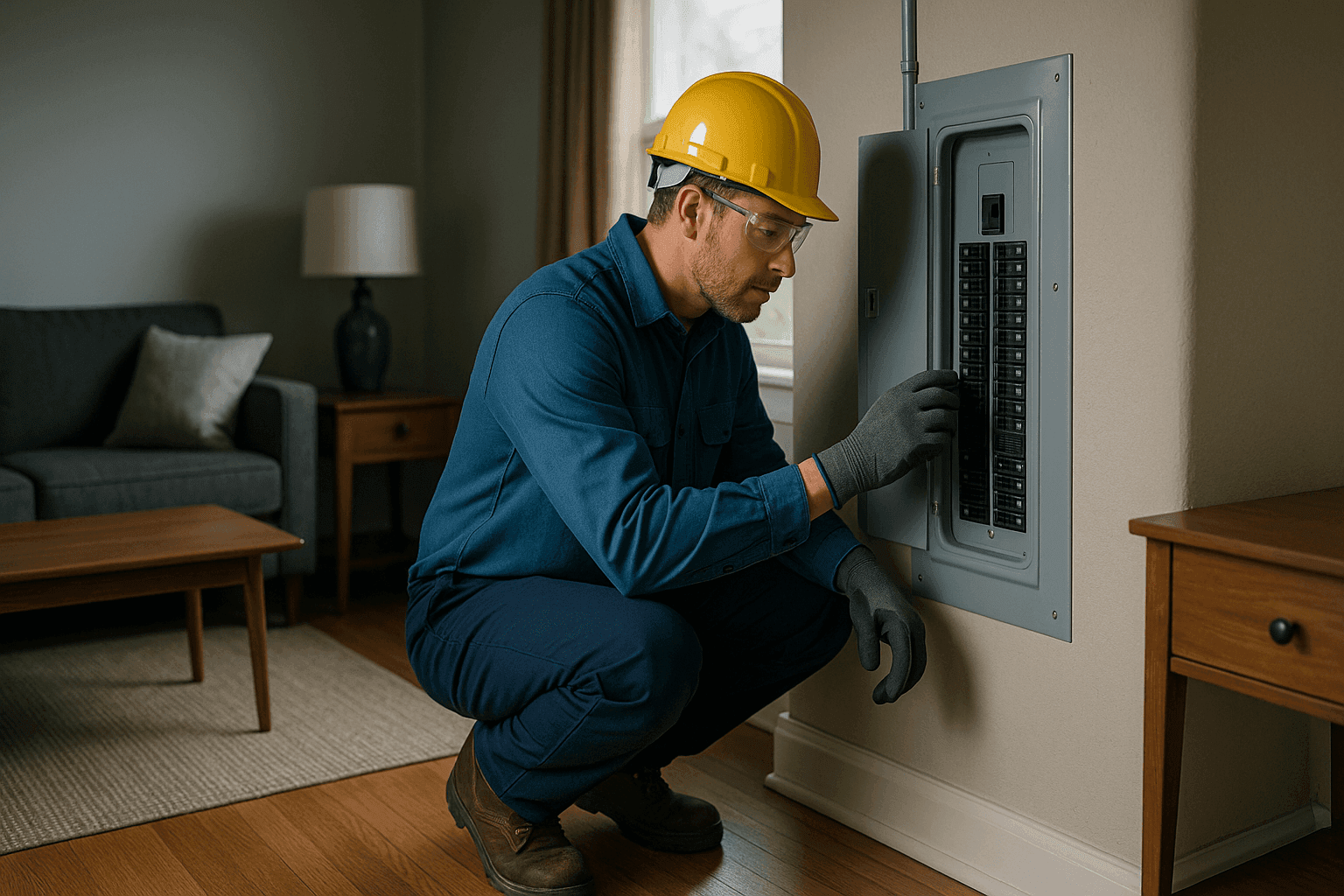
When the lights flicker and sparks start to fly, panic can creep in. We get it—it’s unsettling, especially when your home feels more like a haunted house than a haven. But with the right steps, you can keep your family and your property safe until professional help arrives.
At Lew Sader Electric, we know that electrical emergencies never wait for a convenient moment. Whether it’s midnight or midday, knowing what to do can make all the difference.
Recognizing Electrical Emergencies ⚡
Not every flicker or blown fuse is a red alert. But some warning signs should never be ignored:
- Sparking outlets or wires: Like fireworks, but far less festive.
- Burning smells: If you catch a whiff of melting plastic or burning insulation, act fast.
- Exposed wiring: Especially dangerous if pets or children are nearby.
- Frequent breaker trips: More than an inconvenience—it can signal deeper issues.
- Power outages: Sometimes a neighborhood event, but sometimes a sign of trouble in your own home.
- Shocks or tingling: Even a small zap from an outlet or switch means something’s wrong.
- Smoke or visible fire: Immediate danger. Get out and call emergency services.
If any of these sound familiar, treat them as you would a snake in the living room: with caution and respect.
Immediate Safety Actions: What To Do Right Now
When trouble hits, quick thinking matters. Here’s what to do before your emergency electrician arrives:
- Stay calm. Panic muddles judgment.
- Turn off the main breaker if you can do so safely. This cuts power to the whole house, like pulling the plug on a risky situation.
- Move everyone (and pets) away from the affected area.
- Keep water away from electrical problems. Never touch electrical equipment with wet hands or if water is present.
- If you smell smoke or see fire, evacuate and call 911 immediately.
- Don’t use electrical appliances that seem faulty, even if they “mostly” work.
Remember, electricity is invisible but powerful—a silent river running through your home. Respect its strength.
What Not to Touch or Attempt
It’s tempting to tinker. Don’t. Avoid these common mistakes:
- Don’t touch exposed or damaged wires.
- Don’t try to fix sparking outlets or switches yourself.
- Don’t use water to put out electrical fires. Use a fire extinguisher rated for electrical fires if safe.
- Don’t go near electrical panels if you smell burning.
- Don’t use extension cords as a fix for broken outlets.
- Don’t climb into attics or crawlspaces to inspect wiring during an emergency.
Electrical safety codes from the National Electrical Code (NEC) are written in caution tape, not in green lights. Leave the repairs to those trained for it.
When to Call for Emergency Service
Some things can wait for daylight. Some can’t. Call an emergency electrician immediately if:
- There’s visible sparking, smoke, or fire.
- You’ve lost power and the rest of your street hasn’t.
- You smell burning or see scorch marks on outlets or panels.
- A circuit breaker keeps tripping, especially after resetting.
- Water has come into contact with wiring, outlets, or appliances.
You might search for “Fault Finding near you,” but speed matters more than geography in a crisis. Call right away.
Quick Safety Checklist 📝
- [ ] Turn off main breaker (if safe)
- [ ] Move everyone to safety
- [ ] Avoid water contact
- [ ] Don’t use suspect appliances
- [ ] Call 911 for fire or smoke
- [ ] Call Lew Sader Electric for urgent help
Tape this list inside a cabinet—like a fire drill for your wiring.
DIY vs. Call a Pro
It’s tempting to play hero. Resist the urge. Here’s why:
What’s OK to Do Yourself
- Flip the main breaker off (if safe).
- Unplug devices from a suspicious outlet.
- Move your family and pets to safety.
- Use battery-powered lighting while you wait.
What’s NOT OK
- Opening electrical panels.
- Attempting repairs or rewiring.
- Using “quick fixes” like duct tape or wire nuts on exposed wires.
- Replacing outlets or switches yourself during an emergency.
Electrical emergencies are like thunderstorms: you don’t try to stop the lightning yourself.
What Pros Do On Arrival
When your emergency electrician shows up, here’s what to expect:
- Assessment: We’ll check for immediate dangers—burning smells, heat, live wires.
- Fault Finding: Using specialized tools, we identify hidden issues behind walls or panels.
- System Shutdown: If needed, we’ll power down affected circuits to prevent further risk.
- Temporary Repairs: We’ll make things safe before recommending permanent solutions.
- Documentation: You’ll get a clear explanation of what happened, and what comes next.
Our team is trained to follow all NEC and local safety codes—no shortcuts, ever.
Prevention & Maintenance
An ounce of prevention beats a pound of panic.
- Schedule regular electrical safety inspections. Annual checkups can spot problems early.
- Upgrade old wiring if your home is older than 40 years.
- Install smoke and carbon monoxide detectors, and test them monthly.
- Consider surge protection for sensitive electronics.
- Don’t overload outlets—spread out appliances where possible.
- Label your breaker panel clearly, so you know what controls what.
The Electrical Safety Foundation International (ESFI) and NEC offer guidelines that every homeowner should know. A little homework now saves a lot of worry later.
Costs & Time Factors
How long will you wait? How much will it set you back? Here’s what to expect:
- Arrival times: Most emergency electricians aim to be on-site within 1–2 hours, day or night.
- Duration: Simple problems (like a tripped breaker) may take less than an hour. Complex repairs (like rewiring or panel replacement) can take several hours or more.
- Cost: Emergency rates are higher than scheduled visits, reflecting the urgency and after-hours nature of the work. Simple repairs cost less; major fixes (panels, rewiring) cost more. Always ask for a clear explanation of what needs doing and why.
Remember, fast fixes are about safety, not just convenience.
When It’s an Emergency
How do you know it’s time to call, and not just wait it out?
- If you feel unsafe, call.
- If there’s smoke, fire, or a burning smell, call.
- If you see sparking, flickering lights, or hear buzzing from outlets, call.
- If water enters any electrical system, call.
It’s like smelling gas in your kitchen—don’t wait, get help.
FAQ: Common Questions Answered
Q: Should I ever try to reset a breaker during an emergency?
A: Only once. If it trips again, leave it off and call an emergency electrician.
Q: What if water leaks onto an outlet?
A: Don’t touch anything. Turn off power at the main breaker (if safe) and call for help.
Q: Can I use extension cords as a substitute for failed outlets?
A: No. This can overload circuits and cause fire hazards.
Q: Are all power outages emergencies?
A: Not always. If it’s just your house, especially with burning smells or sparks, it’s urgent. If the whole block is out, call your utility provider first.
Local/Seasonal Considerations 🌧️
Some emergencies are more common in certain seasons:
- Storms: Lightning and flooding can damage wiring or knock out power.
- Winter: Ice and snow may cause outages or stress old wiring.
- Summer: High demand on AC units can trip breakers.
Always check weather alerts, and consider having backup generators installed for peace of mind.
Electrical emergencies are unpredictable, but your response doesn’t have to be. Take a deep breath, follow these steps, and let the professionals handle the rest.
Call Lew Sader Electric now — or reach us anytime at 888-851-5284 .